

How Clinics Can Overcome Psychiatrist Shortages and Expand Access to Care
Mental health clinics across the country are facing a growing challenge: too many patients and not enough psychiatrists. Long waitlists, provider burnout, and limited access in...

How to Choose the Right Telepsychiatry Providers for Clinics
Your waitlist is growing. Patients need psychiatric care. Your staff is stretched. And the psychiatrist you've been trying to recruit for eight months still hasn't signed. This...

How Does Bipolar Disorder Affect Thinking and Decision-Making?
You're watching someone you love make decisions that don't make sense. They're spending money they don't have. Or they're sleeping 16 hours a day and can't get out of bed. Or...

PTSD Nightmares: Why They Happen and How to Finally Get Rest
PTSD nightmares aren't like regular bad dreams. They're vivid, relentless, and they STEAL your ability to rest. They can happen every night, multiple times a night, leaving you...

Why OCD + ADHD Can Increase Anxiety and Burnout (and What Helps)
Living with both OCD and ADHD can feel exhausting in ways that are hard to explain.Many individuals describe feeling constantly overwhelmed, mentally overworked, and emotionally...

Supporting Executive Function in Level 1 Autism
When parents learn that their child has Level 1 autism, many questions follow.One of the most common is why everyday tasks that seem simple for other children can feel so...

TMS for High-Functioning Autism: A New Approach to Supporting Focus and Emotional Regulation in Kids
Parents of autistic children often spend years searching for tools that truly help their child stay focused, regulate emotions, and feel more grounded in daily routines. One of...

How TMS Therapy Can Support Social and Cognitive Skills in High-Functioning Autistic Children
When parents begin exploring options to support their child’s development, it is natural to wonder whether newer interventions like TMS therapy autism can make a real...

How TMS Therapy Can Help Improve Mood and Reduce Depressive Symptoms
When you are living with depression, even small tasks can feel like climbing a mountain. You might be doing everything right—taking your medication, going to therapy, eating...

Telepsychiatry Explained: When to See a Psychiatrist vs. a Therapist
When you are struggling with your mental health, it can be confusing to know exactly where to start. Should you reach out to a psychiatrist, or is a therapist the right fit for...

Can Dementia Be Reversed? How TMS Helps Keep the Brain Active and Engaged
When a loved one is diagnosed with dementia, it’s natural to wonder: Can dementia be reversed? This question often brings a mix of hope and uncertainty. Dementia affects memory,...

How TMS Can Improve Your Stroke Recovery Timeline
When you or someone you love experiences a stroke, the path ahead can feel uncertain. The recovery journey is rarely linear—there are moments of rapid progress, plateaus that...
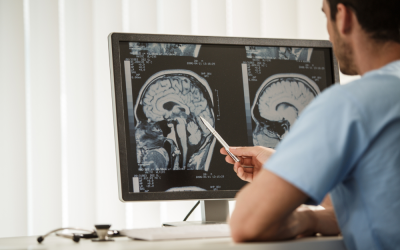
Alzheimer’s Brain Scan Insights: How TMS Supports Early Prevention
When we think about Alzheimer’s, it’s often through the lens of what happens later in the disease — memory loss, confusion, and changes in daily functioning. But the truth is,...

How TMS Can Improve Your Stroke Recovery Timeline
When you or someone you love has a stroke, the recovery journey can feel overwhelming. The road back isn’t always straight or predictable—sometimes progress feels fast, and other...

Telepsychiatry in Rural Florida: Connecting Patients to Culturally Responsive Care
If you live in a quiet town surrounded by farmland, small communities, or coastal stretches far from big cities, you already know the unique beauty—and challenges—of life in...

Overcoming Transportation Barriers to Mental Health Care in Rural California
If you’ve ever struggled to find care because the nearest clinic felt like it was hours away—you’re not alone. For many people living in rural California, transportation is one...

Why High-Functioning Anxiety Is Often Missed—and What to Do About It
On the outside, you look like you have it all together. You’re successful, dependable, organised—maybe even the person others turn to for advice. But inside? You’re constantly...

Sleep Struggles and Mental Health: Breaking the Cycle
If you’ve ever lain awake at night, staring at the ceiling, feeling your mind spin while your body begs for rest—you’re not alone. Sleep struggles are incredibly common, and they...

How to Manage Energy When You’re Mentally Exhausted (Not Just Tired)
There’s tired… and then there’s this. The kind of tired that sleep doesn’t fix. Where even basic tasks feel like climbing a mountain. You’re not just low on energy—you feel...

What to Expect During Your First TMS Therapy Appointment
Trying something new for your mental health can feel like a big step—especially when it involves a treatment like TMS for depression. You might be feeling hopeful, nervous,...

How to Manage Energy When You’re Mentally Exhausted (Not Just Tired)
We all know what physical exhaustion feels like. But mental exhaustion? That’s a whole different kind of tired. It’s not just needing a nap or a good night’s sleep. It’s feeling...
What is telepsychiatry?
Telepsychiatry is psychiatric care delivered through secure video appointments. It allows you to meet with a psychiatrist remotely to discuss symptoms, receive a psychiatric evaluation, and develop a treatment plan without needing to travel to an office.
What conditions can telepsychiatry help with?
Telepsychiatry can support people experiencing anxiety, depression, ADHD, mood struggles, difficulty concentrating, emotional overwhelm, or other mental health symptoms that interfere with daily life.
What happens during a telepsychiatry appointment?
Appointments begin with a comprehensive psychiatric evaluation. Your psychiatrist will ask about your symptoms, mental health history, lifestyle, and goals in order to understand what you are experiencing and develop a personalized treatment plan.
Is telepsychiatry secure?
Telepsychiatry sessions are conducted through secure, HIPAA compliant video platforms designed to protect patient privacy.
How many sessions will I need?
The number of sessions varies depending on individual needs, symptom severity, and treatment goals. Some patients benefit from ongoing long-term support, while others improve with shorter-term stabilization.
Is online psychiatry as effective as in-person treatment?
Yes, research shows telepsychiatry can be just as effective as in-person care for many mental health conditions, especially for medication management and ongoing psychiatric follow-ups.
Sources
-
American Psychiatric Association
Telepsychiatry Toolkit
https://www.psychiatry.org/psychiatrists/practice/telepsychiatry - World Health Organization
Mental Health Services and Digital Care
https://www.who.int/health-topics/mental-health
655 Redwood Hwy, Suite 240, Mill Valley, CA
(866) 247-4292
info@segaltelenet.com